Top 5 Countries to Start a Business from India
Expanding internationally allows Indian entrepreneurs to access new customers, develop overseas partnerships and build a presence in global markets. However, choosing the right destination requires more than comparing incorporation costs or corporate tax rates. Business owners must consider local regulations, banking requirements, taxation, ownership rules and long-term commercial objectives.
The process of foreign company registration can differ significantly between countries. Some jurisdictions are attractive for technology businesses, while others offer opportunities for international trade, distribution or professional services.
For Indian entrepreneurs considering overseas company registration, five destinations worth exploring are the United Kingdom, the United States, Singapore, Hong Kong and Sri Lanka. Each offers different opportunities, and the right choice depends on your target market, industry and expansion strategy.
What Should Indian Entrepreneurs Consider Before Starting a Business Abroad?
Before proceeding with foreign business registration, evaluate the following factors:
1. Target market: Identify where your customers, suppliers and commercial partners are located.
2. Ownership requirements: Check whether foreign founders can own the company and whether local directors or representatives are required.
3. Tax obligations: Understand corporate taxation, indirect taxes, withholding taxes and cross-border transaction rules.
4. Banking access: Review the documentation required to open a corporate bank account.
5. Ongoing compliance: Consider annual filings, accounting, tax returns, audits and licence renewals.
6. Indian regulations: Assess applicable FEMA and overseas investment requirements before making an overseas investment or remitting funds.
The best jurisdiction is the one that supports your actual business operations and long-term objectives.
1. United Kingdom: For Professional Services and International Markets
The United Kingdom can be a suitable destination for Indian entrepreneurs targeting British customers or building businesses in consulting, technology, e-commerce and professional services.
Why consider the UK?
1. Established business environment: The UK has a formal company registration and reporting framework.
2. Professional services opportunities: Businesses can explore consulting, technology and other service sectors.
3. International commercial relationships: A UK presence may help establish relationships with local customers and partners.
4. Structured company administration: Companies House provides the official framework for company incorporation and statutory filings.
Entrepreneurs planning foreign company registration in the UK should distinguish between establishing a new UK company and registering an existing overseas company to operate in the country. These are different processes with different requirements.
Key considerations
A UK company generally needs an appropriate registered office address and must comply with applicable director, disclosure and filing requirements. Incorporation does not automatically provide immigration or work rights.
Best suited for: Consulting firms, technology businesses, professional services providers and companies targeting UK customers.
2. United States: For Technology, E-commerce and Business Growth
The United States is worth considering for Indian entrepreneurs who want to serve American customers, launch technology products, expand e-commerce operations or explore fundraising opportunities.
Why consider the USA?
1. Large customer market: Businesses can target customers across multiple industries and regions.
2. Technology ecosystem: The country has established startup networks, technology clusters and investment markets.
3. Flexible entity choices: Entrepreneurs commonly evaluate LLCs and corporations according to their business requirements.
4. Commercial reach: A US entity may support formal contracts and operations for companies targeting American customers.
Founders researching foreign llc registration should compare the legal and tax implications of forming a US limited liability company with those of incorporating a corporation. The appropriate structure depends on ownership, investor expectations, business activities and tax considerations.
Key considerations
Company formation is generally handled at the state level. Depending on the business structure and activities, a company may need state registrations, federal tax filings, state tax compliance and other disclosures.
Entrepreneurs should also review banking eligibility, payment processing, reporting requirements and the ongoing cost of maintaining the entity.
Best suited for: Technology startups, e-commerce businesses, service exporters and companies targeting US customers or investors.
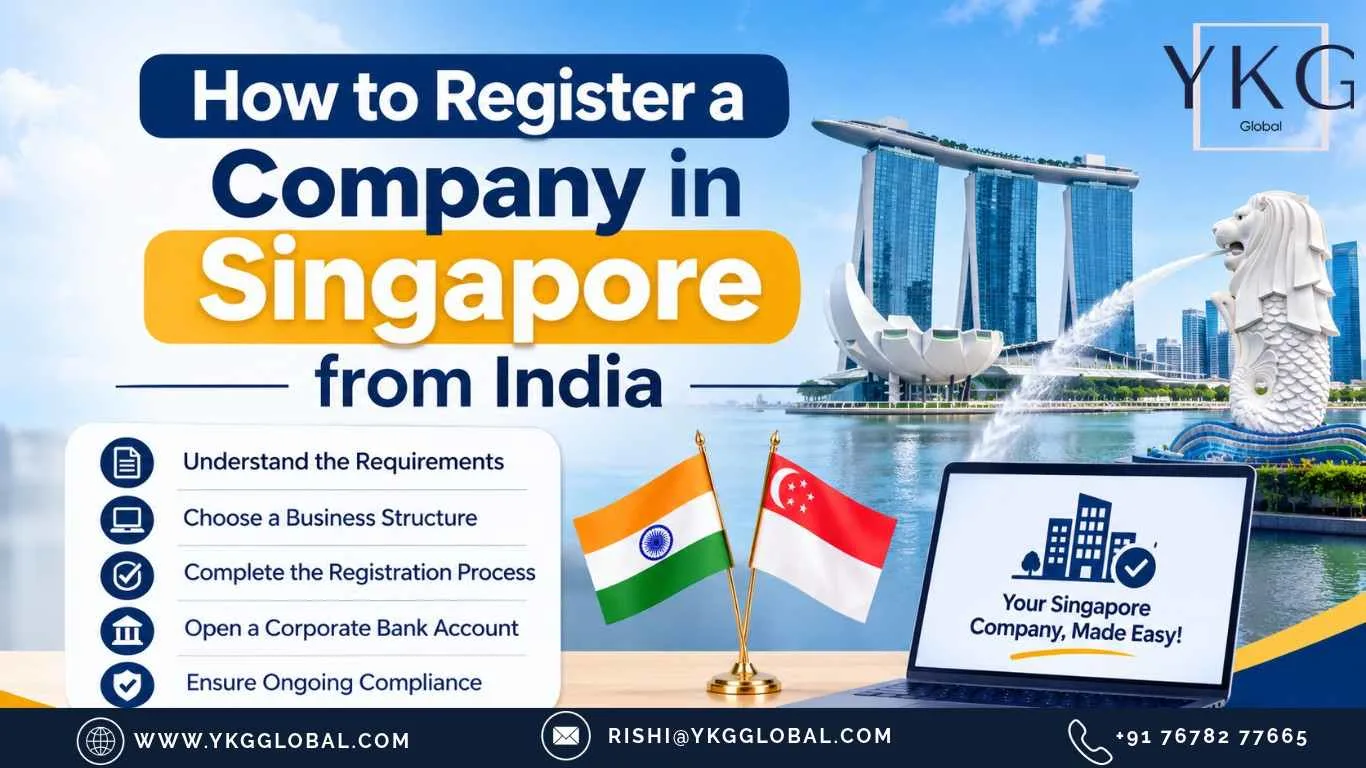
3. Singapore: For Technology and Asia-Pacific Expansion
Singapore is an established business hub for entrepreneurs seeking to develop commercial relationships across Asia-Pacific. It can be relevant for technology companies, consulting firms and businesses managing regional operations.
Why consider Singapore?
1. Regional connectivity: Singapore can support commercial relationships across Asian markets.
2. Business infrastructure: Its corporate administration framework supports formal company management and reporting.
3. Technology opportunities: Software and innovation-focused businesses may find it a suitable market to assess.
4. Regional management: Companies can evaluate Singapore as a base for coordinating regional activities.
Before proceeding with overseas company registration in Singapore, foreign founders should understand local incorporation requirements. These generally include appointing at least one director who meets Singapore's local residency requirements and using an appropriate Corporate Service Provider when required.
Key considerations
Singapore companies must comply with applicable corporate tax, accounting, annual filing and licensing requirements. The proposed structure should reflect the company's ownership, activities and intended operating presence.
Best suited for: Technology businesses, consulting firms, regional headquarters and companies expanding across Asian markets.
4. Hong Kong: For International Trade and Asia-Focused Businesses
Hong Kong may be relevant for Indian entrepreneurs involved in international trading, sourcing, distribution and cross-border commercial activity.
Why consider Hong Kong?
International trade: It may suit companies engaged in sourcing, distribution and cross-border transactions.
Regional connections: Businesses can evaluate Hong Kong for Asia-focused commercial activities.
Corporate framework: Its company administration system supports formal business registration and ongoing compliance.
Trading opportunities: It may be relevant for companies working with international suppliers and customers.
Entrepreneurs considering foreign business registration in Hong Kong should assess whether the jurisdiction fits their actual commercial activities rather than choosing it solely for its reputation as an international business centre.
Key considerations
Companies must meet applicable incorporation, business registration, accounting, tax and filing requirements. Banking access and tax treatment depend on the company's circumstances and supporting documentation.
Best suited for: International trading companies, sourcing businesses, distributors and entrepreneurs building Asia-focused operations.
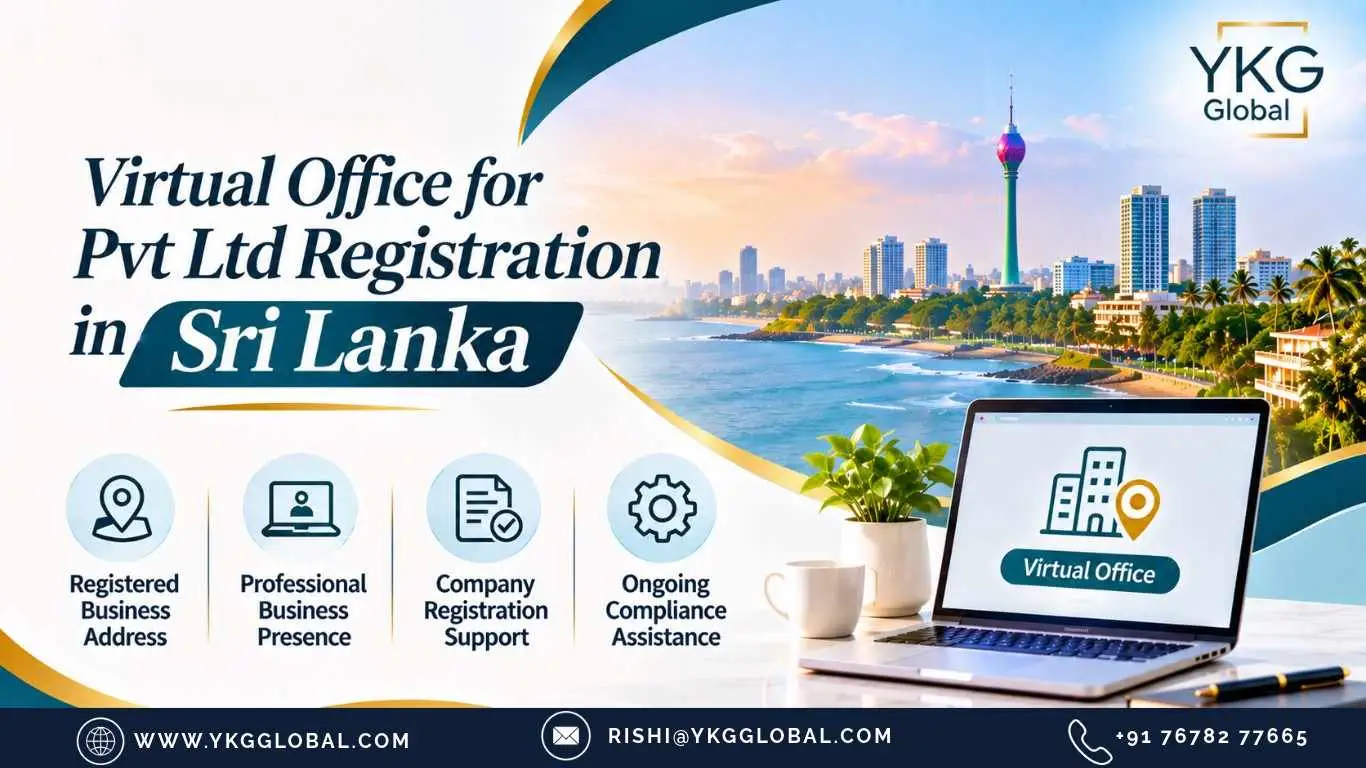
5. Sri Lanka: For Regional Trade and Market Development
Sri Lanka may be worth evaluating for Indian entrepreneurs seeking to establish commercial relationships in a neighbouring market. Potential opportunities depend on the industry and may include trading, distribution, manufacturing and selected services.
Why consider Sri Lanka?
1. Geographic proximity: Its location can support business relationships between India and Sri Lanka.
2. Regional trade: Businesses can assess opportunities involving imports, exports, sourcing and distribution.
3. Market development: A local presence may help companies build customer and supplier relationships.
4. Industry-specific opportunities: Suitability depends on local demand, sector regulations and investment conditions.
Before starting the foreign corporation registration process, entrepreneurs should review the applicable company structure, foreign ownership conditions and any sector-specific restrictions.
Key considerations
Foreign investors should confirm the relevant incorporation process, foreign investment rules, tax obligations and licensing requirements. Additional permissions may apply to particular industries or investment structures.
Best suited for: Regional trading businesses, distribution companies and entrepreneurs exploring the Sri Lankan market.
How to Choose the Right Country for Your Business
Selecting a jurisdiction requires a clear understanding of the business's commercial purpose.
1. United Kingdom: Consider it for professional services, technology and UK-facing businesses.
2. United States: Evaluate it for technology, e-commerce, American customers and potential investment opportunities.
4. Singapore: Consider it for regional management and Asia-Pacific expansion.
5. Hong Kong: Evaluate it for international trading and sourcing operations.
6. Sri Lanka: Consider it for regional market development and trade-related opportunities.
If you are planning to register as a foreign corporation, first determine whether you need to create a new legal entity or register an existing company to operate in another jurisdiction. These options are not interchangeable.
For example, forming a new US LLC is different from registering an existing foreign company in a US state. Similarly, establishing a new subsidiary overseas differs from registering an existing overseas entity as a branch.
Compare incorporation requirements with the recurring costs of maintaining the company, including registered office services, directors, accounting, tax filings, audits, licences and annual returns.
Important Indian Compliance Considerations
Setting up an overseas company may create obligations in both India and the destination country.
1. FEMA and Overseas Investment
Overseas investment by persons resident in India is governed by the applicable FEMA framework and Overseas Investment Rules and Regulations. The permitted route and reporting requirements depend on the investor, investment structure and transaction.
Where required, investors should coordinate with their designated authorised dealer bank and complete the relevant documentation and reporting.
2. Indian Tax Position
Incorporating a foreign company does not automatically remove Indian tax obligations. The tax position can depend on residential status, the company's operations, the location of key management decisions and applicable tax treaty provisions.
3. Cross-Border Transactions
Transactions between an Indian business and an overseas entity may require consideration of transfer pricing, withholding tax, GST, foreign exchange rules and other applicable requirements.
4. Destination-Country Compliance
Overseas companies must meet the applicable local requirements, which may include annual returns, tax filings, accounting records, audit obligations, licence renewals and beneficial ownership disclosures.
These requirements should be assessed before committing to an overseas structure.
Common Mistakes to Avoid
Choosing only on tax rates: Headline tax rates do not reflect every tax obligation or eligibility condition.
1. Assuming banking is automatic: Incorporation does not guarantee approval for a corporate bank account.
2. Selecting the wrong entity: An LLC, corporation, subsidiary or branch may have different legal and tax consequences.
3. Ignoring annual compliance: Filing and accounting obligations continue after registration.
4. Overlooking Indian requirements: Overseas investment and cross-border transactions may trigger Indian reporting and tax obligations.
Registering without a commercial purpose: The overseas entity should support a genuine business objective.
How YKG Global Helps You
YKG Global supports Indian entrepreneurs and businesses evaluating international expansion, overseas company formation and cross-border compliance.
Our approach begins with understanding your business model, target customers, ownership structure and long-term objectives. We help assess suitable jurisdictions and identify the practical requirements associated with establishing and maintaining an overseas entity.
Our services can include:
1. Jurisdiction assessment: Evaluating incorporation options in the UK, USA, Singapore, Hong Kong, Sri Lanka and other markets.
2. Company incorporation support: Coordinating documentation and incorporation procedures for the selected jurisdiction.
3. Entity structure guidance: Helping assess whether a subsidiary, branch, LLC or corporation aligns with the proposed business model.
4. Cross-border tax advisory: Reviewing relevant international tax considerations and transaction structures.
5. FEMA and overseas investment guidance: Helping identify applicable Indian investment rules and reporting requirements.
6. Ongoing compliance planning: Assessing accounting, tax filing, annual return and other recurring obligations.
Whether you are exploring foreign company registration, foreign llc registration, foreign business registration, overseas company registration or foreign corporation registration, YKG Global can help you assess the relevant requirements and plan your international expansion.
Our objective is to help you make an informed decision based on your commercial goals, the selected jurisdiction's rules and your ongoing compliance responsibilities.
Call us or fill out our contact form to schedule a consultation today.
📧 Email: Rishi@ykgglobal.com
🌐 Website: www.ykgglobal.com
📱 Call/WhatsApp: +91 76782 77665
📍 Offices: Delhi | Mumbai | Dubai | Singapore