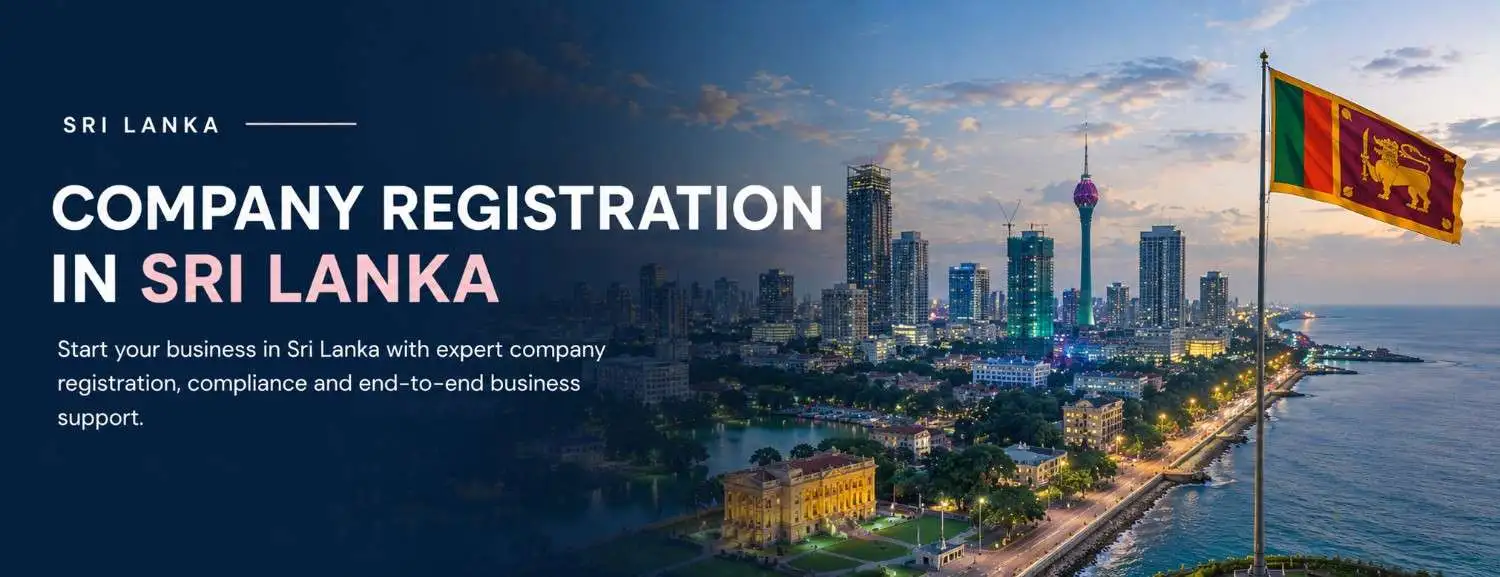
BR Registration Sri Lanka
Business registration is an important step for entrepreneurs planning to establish a legally recognised business in Sri Lanka. Whether an individual intends to operate a retail shop, consultancy, trading activity, service business or small enterprise, understanding the relevant registration process helps establish the business properly.
BR registration Sri Lanka generally refers to registering a business name or individual business through the relevant provincial or divisional authority. This process differs from incorporating a limited liability company through Sri Lanka's Department of the Registrar of Companies (DRC).
Choosing the correct registration route depends on the proposed business structure, location and activities. Entrepreneurs should also consider tax registration, local permits and any industry-specific approvals required for their operations.
What Is Business Registration in Sri Lanka?
Business registration in Sri Lanka establishes the required official record for a business operating under the applicable registration framework.
The registration authority depends on the legal structure. Individual businesses and business names are generally registered through the relevant provincial or divisional administration, while companies are incorporated through the DRC's eROC system.
A business registration certificate can serve as evidence of the registered business name and particulars. However, it does not automatically replace tax registration, local authority licences or other approvals.
Business owners should identify the correct authority before submitting an application to avoid delays or applying through the wrong process.
Who Needs BR Registration?
The appropriate registration process depends on the nature of the business.
• Sole proprietors: Individuals operating a business in their own capacity may need to register the business name through the relevant authority.
• Partnerships: Businesses operated by two or more partners should confirm the applicable registration requirements and supporting documentation.
• Small traders and service providers: Shops, local trading businesses, consultants and other small enterprises should check the registration rules applicable to their business location.
• Home-based businesses: Operating from home does not necessarily remove registration or licensing obligations. Local rules and the nature of the activity should be checked.
• Foreign entrepreneurs: Overseas investors intending to establish a business in Sri Lanka should assess whether an individual business registration, company incorporation or another permitted structure is appropriate. Eligibility and documentation requirements may differ.
How to Register a Business in Sri Lanka
The process for Sri Lanka business registration varies according to the business structure and the authority responsible for the application. The following steps provide a general guide for individual business registration.
Step 1: Decide on the Business Structure
Determine whether the business will operate as a sole proprietorship, partnership or incorporated company.
A sole proprietorship is generally associated with an individual owner, whereas a company is a separate legal entity. The choice affects liability, ownership, tax administration and future expansion.
Step 2: Select a Business Name
Choose a suitable name that identifies the business and complies with the relevant registration requirements.
The authority may check whether the proposed name meets its rules and whether additional documentation is required. Business name registration should not be confused with trademark protection.
Step 3: Identify the Correct Registration Authority
For an individual business, contact the relevant Divisional Secretariat or provincial business-name registration authority for the area in which the business operates.
Requirements and application procedures can differ by province and local authority. Applicants should obtain the current checklist and forms from the responsible office before preparing the submission.
Step 4: Prepare the Required Documents
Depending on the authority and circumstances, applicants may be asked to provide:
• Completed business registration application form.
• National identity card or passport of the owner or relevant applicants.
• Proof of the business address or residence, where required.
• Details of the proposed business name and nature of activities.
• Supporting documents for the premises, such as ownership or tenancy evidence, where applicable.
• Additional declarations or documents requested by the responsible authority.
This is a general checklist rather than a universal list. Applicants should confirm the exact documentation requirements with their local registration office.
Step 5: Submit the Application
Submit the completed application and supporting documents through the prescribed process. The authority may review the information, request clarification or require corrections before processing the application.
Applicable fees, processing times and payment methods should be confirmed directly with the relevant office.
Step 6: Receive the Registration Certificate
Once the application is approved, the authority issues the relevant certificate or registration record.
Keep the document securely and check that the registered name, owner details and business address are accurate. The certificate may be requested during banking, tax, licensing or commercial procedures.
Documents and Information to Prepare
Preparing accurate information before applying can make the registration process more efficient.
Applicants should clarify the following:
• The full legal name and identification details of the owner or partners.
• The proposed business name and principal activities.
• The physical location and address of the business.
• Any supporting evidence required for the premises.
• Whether additional approvals are needed for the intended activities.
Businesses operating from commercial premises should also check local authority requirements. Certain activities may require trade licences, health approvals, environmental permissions or other sector-specific authorisations.
Business Registration Certificate and Tax Compliance
Obtaining a business registration certificate Sri Lanka is an important administrative step, but business owners should separately evaluate their tax and operational responsibilities.
1. Tax Identification Number
Depending on the business structure and applicable rules, the owner or entity may need to register with the Inland Revenue Department and obtain a Taxpayer Identification Number (TIN).
Tax registration and business-name registration serve different purposes. The applicable tax filings and payment responsibilities depend on the taxpayer's circumstances.
2. Local Authority Licences
Some businesses require a trade licence from the relevant municipal council, urban council or pradeshiya sabha. The requirements depend on the location and nature of the activity.
3. Banking and Commercial Records
Banks may request the business registration certificate, identification documents, tax details and other evidence when assessing an account application. Approval depends on the bank's due diligence.
Maintain invoices, receipts, contracts and other business records to support accounting and tax administration.
4. Business Changes and Renewals
Owners should notify the relevant authorities when changes to registered particulars require reporting. They should also confirm whether renewals, updated certificates or additional filings apply to their registration category.
BR Registration vs Company Incorporation
It is important to understand the distinction before choosing a registration route.
Business name registration is generally used for eligible individual businesses and partnerships under the applicable local registration system. It does not, by itself, create a separate company legal personality.
Company incorporation takes place through the Department of the Registrar of Companies. The company is established as a separate legal entity under the Companies Act, subject to the relevant requirements.
Entrepreneurs planning to hire employees, bring in investors, enter larger contracts or expand internationally should assess the legal and commercial implications of each structure before registering.
How YKG Global Helps You
YKG Global supports entrepreneurs and international businesses assessing business establishment and compliance requirements in Sri Lanka. Our assistance can be tailored to the intended structure, ownership and commercial activities.
Our services may include:
• Guidance on selecting an appropriate business structure.
• Assistance in identifying the relevant registration route and documentation.
• Support with company incorporation coordination where a separate legal entity is required.
• Guidance on tax registration and ongoing compliance considerations.
• Cross-border structuring advice for eligible international business arrangements.
• Assistance in identifying additional licences or approvals relevant to the proposed operations.
The requirements depend on the business's circumstances and the applicable local rules. Registration decisions and approvals remain with the relevant Sri Lankan authorities.
Call us or fill out our contact form to schedule a consultation today.
📧 Email: Rishi@ykgglobal.com
🌐 Website: www.ykgglobal.com
📱 Call/WhatsApp: +91 76782 77665
📍 Offices: Delhi | Mumbai | Dubai | Singapore