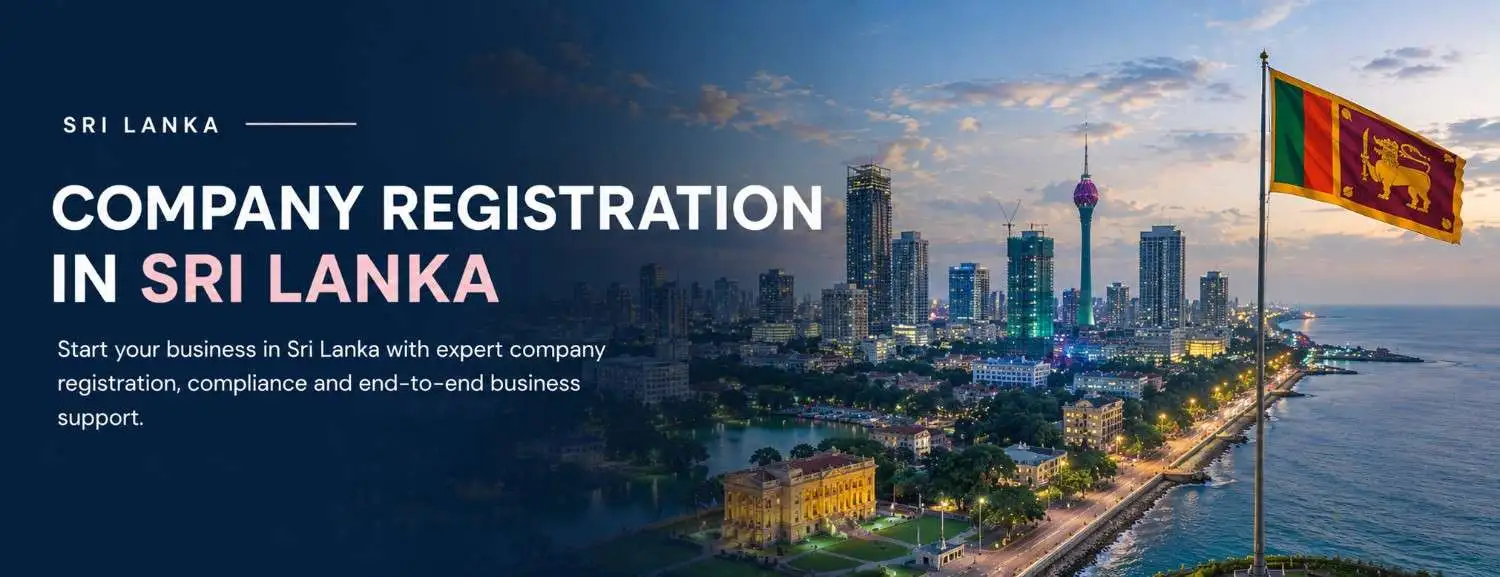
Start Your Business in Sri Lanka
Planning to launch a new venture or expand your existing operations into Sri Lanka? Choosing the right business structure, preparing the correct registration documents and understanding your ongoing obligations can help you establish your business on a stronger footing.
YKG Global supports entrepreneurs and international businesses evaluating business registration in sri lanka. Whether you are considering a private limited company or an individual business structure, the first step is to identify the registration route that matches your ownership, operational needs and future plans.
Choose the Right Business Structure
Before proceeding with company registration in srilanka, consider how the business will operate, who will own it and what level of legal separation you need between the business and its owners.
1. Private Limited Company
A private limited company is a separate legal entity and is often considered by businesses planning to employ staff, enter commercial contracts, work with multiple shareholders or expand their operations. The incorporation process is handled through Sri Lanka’s Department of the Registrar of Companies using the eROC system.
Entrepreneurs exploring pvt ltd company registration sri lanka should consider the proposed company name, shareholders, directors, company secretary, registered office and constitutional documents before applying.
This structure may suit trading businesses, professional service providers, technology companies and businesses seeking a formal corporate presence. The specific requirements should be confirmed against the company’s circumstances and applicable Sri Lankan law.
2. Individual Business Registration
An individual business structure may suit a smaller venture operated directly by its owner. Unlike company incorporation, individual business-name registration is handled through the applicable provincial or local registration authority.
Individual business registration sri lanka may involve an application, identification documents and evidence of the business location. The exact requirements vary according to the relevant jurisdiction and circumstances.
A registered business name should not be confused with incorporation as a separate legal entity. Before deciding, consider liability, ownership, financing needs and whether the business is likely to expand.
How Business Registration Works in Sri Lanka
The process for register a business in sri lanka depends on the legal form selected. The following steps provide a general overview.
1. Decide on the Business Structure
Choose between a private limited company and an individual business structure, or investigate another suitable form where required. Consider the number of owners, the nature of the activities, expected contracts and plans for future expansion.
2. Check the Proposed Name
For a company, check the availability and acceptability of the proposed name through the official registration process. For an individual business, confirm the applicable business-name rules with the relevant provincial or local authority.
A name approval does not automatically provide trademark protection or permission to conduct regulated activities.
3. Prepare the Required Documents
For a private limited company, the incorporation process generally requires company information and the applicable incorporation documents, including details of directors and the company secretary, together with the Articles of Association.
The Registrar of Companies provides system-generated forms for incorporation through eROC. Applicants should use the current forms and instructions rather than relying on outdated templates.
For an individual business, the documents may include the owner’s identification, application form and evidence relating to the business premises. Additional documents can be requested under the applicable local rules.
4. Submit the Application
Online business registration in sri lanka is available for company incorporation through the official eROC system. The application must be completed with the required information and supporting documents, and the prescribed charges must be checked before submission.
Individual business-name registration follows the relevant provincial or local procedure. Do not assume that every type of business can be registered through the same online portal.
5. Complete Post-Registration Formalities
After incorporation, review the company’s beneficial-ownership submission requirements, tax registration, accounting arrangements and any sector-specific approvals. These obligations are part of establishing a compliant business, not optional additions to the registration process.
Understanding the Company Registry and Registration Records
People researching the register of company sri lanka or the sri lanka business registry should distinguish between company incorporation and individual business-name registration.
The Department of the Registrar of Companies handles company incorporation and maintains company-registration services, including eROC and company-search facilities. Individual business-name registration is administered through the relevant provincial framework.
For this reason, business registration srilanka is not a single procedure that applies identically to every business. Selecting the correct authority and registration route helps avoid confusion about the documents, legal status and obligations that apply.
Tax Registration and Ongoing Compliance
Registration is only the beginning of operating a business. Companies must also consider their tax-registration obligations and continuing statutory responsibilities.
Sri Lanka’s Inland Revenue Department states that companies incorporated or registered in the country must register for a Taxpayer Identification Number within 30 days of incorporation or registration. Corporate entities should also assess which additional tax registrations apply to their activities.
Depending on the structure and business operations, ongoing responsibilities may include:
• Maintaining appropriate accounting records and supporting documentation.
• Meeting applicable company filing and annual-return obligations.
• Submitting required tax returns and keeping registration details current.
• Assessing whether VAT or other tax registrations are required.
• Completing beneficial-ownership submissions where applicable.
• Obtaining licences or approvals required for regulated activities.
Businesses considering srilanka company registration should account for these responsibilities when planning their operating model. Tax and regulatory obligations depend on the business’s facts and applicable law, so they should be confirmed before operations begin.
How YKG Global Helps You
YKG Global assists businesses exploring international expansion and company establishment. For founders considering private limited company registration in sri lanka, we can discuss the proposed business structure, the registration steps and the compliance considerations that need to be addressed.
Depending on the agreed engagement and local delivery arrangements, support may include:
• Initial discussions about the appropriate registration route.
• Guidance on incorporation documentation and application requirements.
• Coordination of relevant registration formalities.
• Identification of tax-registration and ongoing compliance considerations.
• Coordination with appropriate local professionals where required and agreed.
Our objective is to help entrepreneurs understand the steps involved before committing to a business structure. The specific services available, local representation and third-party arrangements should be confirmed before engagement.
Call us or fill out our contact form to schedule a consultation today.
📧 Email: Rishi@ykgglobal.com
🌐 Website: www.ykgglobal.com
📱 Call/WhatsApp: +91 76782 77665
📍 Offices: Delhi | Mumbai | Dubai | Singapore