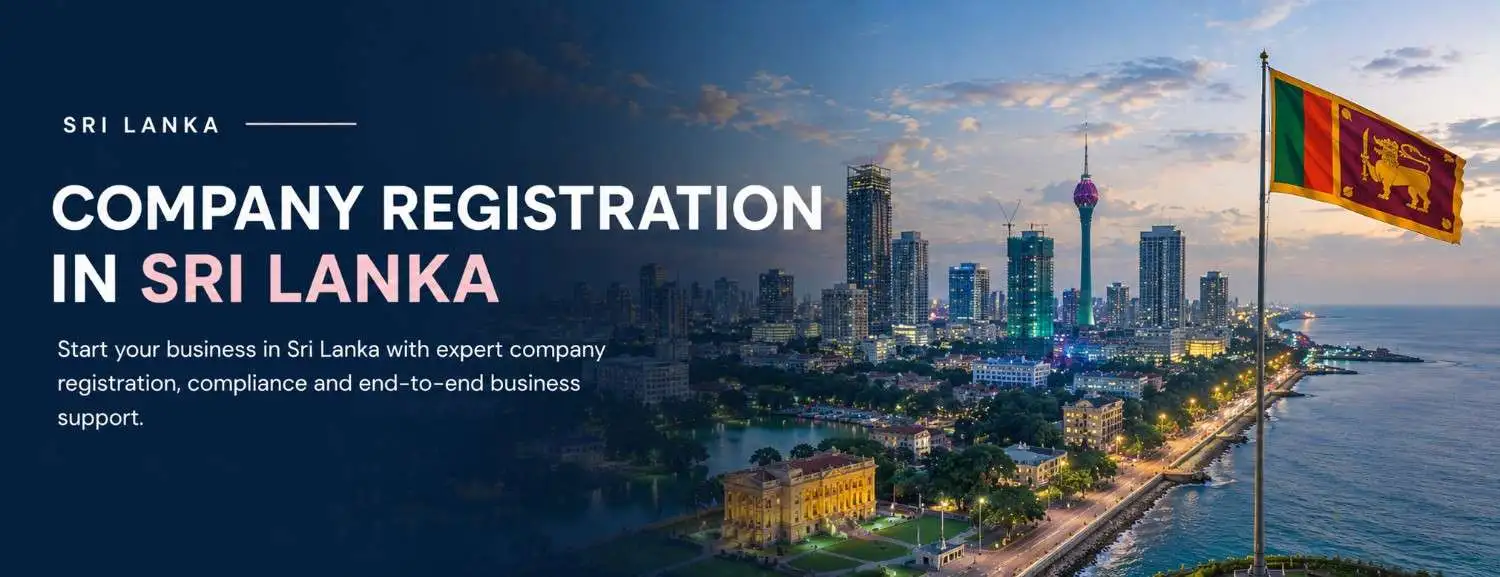
Company Incorporation in Sri Lanka
Sri Lanka offers opportunities for entrepreneurs, international investors and businesses looking to establish a presence in South Asia. Before entering the market, it is important to select an appropriate business structure, understand the incorporation process and identify the compliance obligations that apply after registration.
YKG Global helps businesses understand the steps involved in setting up a company in Sri Lanka, preparing documentation and planning for relevant post-registration requirements.
Whether you are establishing a new venture or expanding an existing international business, the right registration approach starts with your ownership structure, proposed activities and long-term plans.
Why Consider Incorporating a Company in Sri Lanka?
A Sri Lankan company may provide a formal structure for conducting business, employing staff, entering contracts and developing commercial relationships.
Key considerations include:
• Separate legal identity: A limited company is legally distinct from its shareholders.
• Defined ownership: Shares can establish ownership interests and provide a framework for investment.
• Business continuity: The company can generally continue independently of changes in its shareholders.
• Market entry: Incorporation can support plans to serve local customers or develop regional business relationships.
• Structured governance: Directors, shareholders and company secretaries operate within a defined statutory framework.
The suitability of Sri Lanka depends on the proposed business activity, ownership arrangements, sector-specific restrictions and investment objectives. Incorporation alone does not automatically grant every licence or investment approval.
Choosing the Right Business Structure
Before starting business registration in sri lanka, consider how the business will be owned and operated.
1. Private limited company
A private limited company is commonly considered by startups, trading businesses, service providers and foreign investors seeking a separate legal entity.
It has a formal shareholding and management structure and must comply with the Companies Act and relevant filing requirements.
2. Individual business or sole proprietorship
An individual business may suit a person operating a small business directly. It does not provide the same separate legal identity as an incorporated company, and the owner may be personally responsible for business liabilities.
3. Partnership
A partnership may be appropriate when two or more parties operate a business together. The rights, responsibilities and liability arrangements should be understood before registration.
4. Foreign company or branch
An overseas company considering operations in Sri Lanka should assess whether incorporating a local subsidiary or registering a foreign company is more suitable. The appropriate route depends on the planned activities and applicable legal requirements.
Choosing a structure first helps avoid pursuing the wrong registration process.
Private Limited Company Registration in Sri Lanka
For many businesses, pvt ltd company registration sri lanka is a practical route to establishing a formal corporate presence.
The structure may be suitable for:
• Trading and distribution companies.
• Professional and business service providers.
• Technology and digital businesses.
• Manufacturing and export-oriented ventures.
• Family-owned and growing businesses.
• International businesses planning local operations.
The process requires decisions about shareholders, share allocation, directors, company secretary, registered office and constitutional documents.
The appropriate structure should be assessed against the company's intended activities and any foreign-investment or sector-specific restrictions.
Steps to Incorporate a Company in Sri Lanka
Step 1: Decide the company structure
Confirm that a private limited company or another available structure fits your business objectives. Review ownership, management and proposed activities before proceeding.
Step 2: Check and reserve the company name
Search the official Department of the Registrar of Companies system for existing names and submit the proposed name for approval. A name may be rejected if it conflicts with applicable naming requirements.
Step 3: Prepare incorporation documents
Prepare the company's Articles of Association and the prescribed information and consent documents for the initial shareholders, directors and secretary.
The required forms and workflow should be checked against the current e-ROC instructions. Do not rely solely on an older checklist, as electronic procedures and statutory requirements can change.
Step 4: Submit the application through e-ROC
The Department of the Registrar of Companies provides an electronic registration system known as e-ROC. Applicants submit the required company details and documents through the applicable process and pay the prescribed fees.
This is the main route for online business registration in sri lanka when establishing a company through the Registrar of Companies.
Step 5: Complete beneficial ownership submissions
New company incorporations are subject to a separate beneficial ownership submission requirement effective from 30 March 2026. The official Registrar of Companies notice requires the relevant beneficial ownership and authorised-person details through the prescribed portal, including Forms BO1 and BO5.
Prepare accurate information about the individuals who ultimately own or control the company and follow the current instructions issued by the authority.
Step 6: Receive incorporation confirmation
Once the application and required steps are accepted, the Registrar issues the relevant incorporation documentation. Keep the certificate and related records available for banking, tax registration and other business formalities.
Documents and Information to Prepare
Requirements vary according to the structure and ownership arrangements. For a typical private limited company, prepare:
• Proposed company name and business activity.
• Shareholder names, identification details and shareholding information.
• Director details and required consents.
• Company secretary details and consent.
• Registered office details in Sri Lanka.
• Articles of Association or other required constitutional documents.
• Prescribed incorporation forms and declarations.
• Beneficial ownership and authorised-person information.
Where a shareholder is an overseas company, additional corporate records or supporting documents may be required. Confirm the current document requirements before filing.
Business Registration, Tax and Ongoing Compliance
Completing company registration in srilanka is an important first step, but it does not finish the company's statutory responsibilities.
After incorporation, businesses should consider:
• Taxpayer Identification Number (TIN): Sri Lanka's Inland Revenue Department states that companies incorporated or registered in Sri Lanka must register with the Commissioner-General within 30 days of incorporation or registration.
• VAT and other tax registrations: Determine which registrations apply based on the business's activities and current tax rules.
• Accounting records: Establish appropriate accounting systems and retain records required by law.
• Annual returns: Track filing deadlines and submit company returns as required.
• Statutory records: Keep company, director, shareholder and other required records up to date.
• Beneficial ownership: Follow applicable submission and update requirements.
• Licences and employment registrations: Assess sector-specific approvals and employer obligations where relevant.
These responsibilities are part of effective business compliance. Tax registrations, licences and employment-related registrations depend on the company's actual circumstances and should be assessed separately.
Company Registration vs Business Name Registration
The terms business registration srilanka and company incorporation are not interchangeable.
An incorporated company is registered through the Department of the Registrar of Companies. By contrast, individual business registration sri lanka and the registration of certain business names are generally handled through the relevant provincial or local authority, depending on the business location and applicable rules.
For a sole trader, business name registration in sri lanka may be the relevant route where the business operates under a name other than the owner's own full name.
Before you register a business in sri lanka, confirm the correct authority and process for your chosen structure. The register of company sri lanka search facilities and the official sri lanka business registry services can help users locate company records, but they do not replace the registration application itself.
How YKG Global Helps You
YKG Global helps businesses understand the steps involved in establishing a company in Sri Lanka and prepare for the registration and compliance process.
Depending on the agreed engagement, support may include:
• Discussing the proposed business structure and ownership arrangements.
• Guidance on company name selection and incorporation documentation.
• Coordination support for private limited company registration in sri lanka.
• Assistance in understanding e-ROC filing requirements and beneficial ownership submissions.
• Discussion of tax registration and post-incorporation obligations.
• Identifying when additional legal, tax or sector-specific advice may be needed.
For businesses comparing registration options, we recommend confirming the service scope, deliverables, responsibilities and ongoing compliance support before engagement.
If you are considering srilanka company registration, YKG Global can discuss your proposed business activities and help you identify the next steps.
Call us or fill out our contact form to schedule a consultation today.
📧 Email: Rishi@ykgglobal.com
🌐 Website: www.ykgglobal.com
📱 Call/WhatsApp: +91 76782 77665
📍 Offices: Delhi | Mumbai | Dubai | Singapore