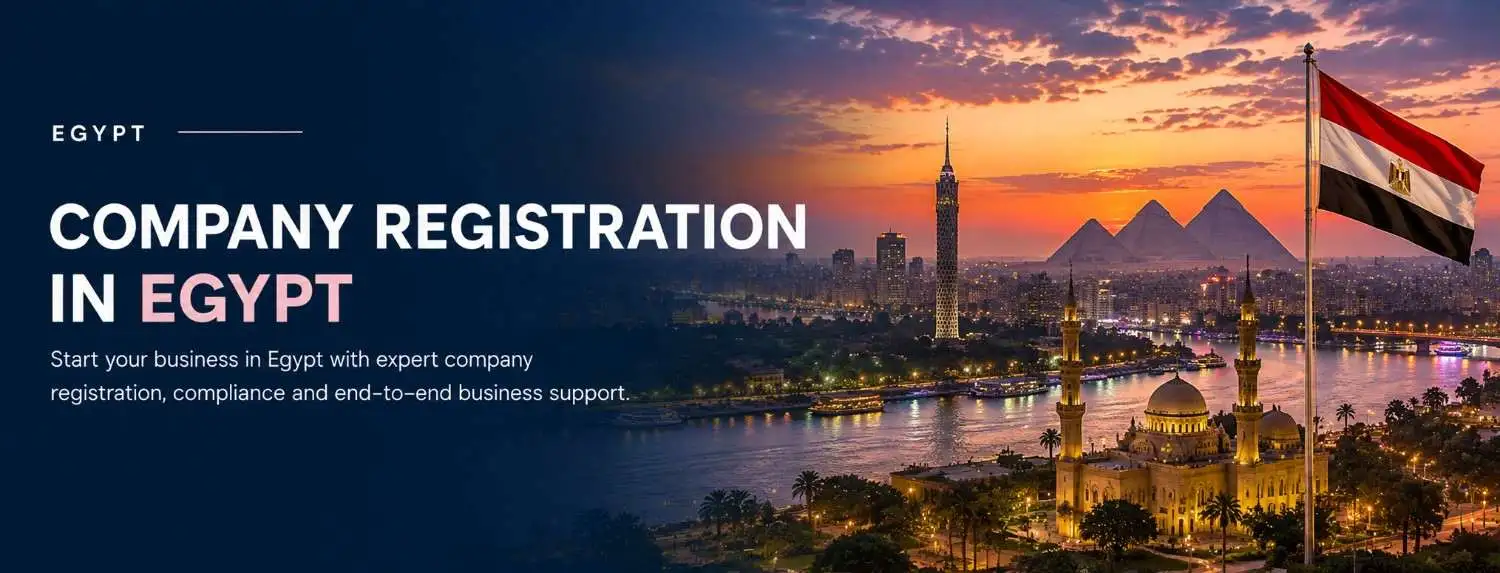
Company Registration in Port Said, Egypt
Port Said is a strategically located Egyptian governorate associated with maritime trade, logistics, commercial activity and connections to the Suez Canal region. Businesses considering operations in Port Said should assess their intended activities, ownership structure and regulatory requirements before beginning the incorporation process.
YKG Global helps businesses understand the steps involved in establishing an Egyptian company, prepare for registration requirements and identify relevant post-incorporation obligations.
Whether you are launching a new venture, expanding an international business or planning a trading operation, the first step is choosing a legal structure that fits your objectives.
Why Consider Setting Up a Business in Port Said?
Port Said may be relevant to businesses involved in trading, transport, distribution, logistics and services supporting commercial activity.
Potential considerations include:
• Trade and logistics: Businesses may explore opportunities connected with shipping, cargo handling, warehousing and distribution.
• Regional connectivity: Port Said's location makes it relevant to businesses evaluating the Suez Canal region and wider Egyptian market.
• Industrial and commercial activity: Investors should assess suitable locations, infrastructure and sector-specific requirements before committing to an operating site.
• Local business support: Official investment and commercial registration offices provide points of contact for relevant procedures.
The right location depends on your customers, supply chain, workforce, infrastructure and business activity. Incorporating in Port Said does not automatically provide access to a special economic-zone regime, tax incentive or operating licence. Any such eligibility must be verified separately.
Understanding Company Registration in Egypt
company registration in egypt involves selecting a legal structure, completing the applicable incorporation procedures and fulfilling the requirements for the relevant official records.
Egypt's General Authority for Investment and Free Zones (GAFI) plays an important role in company incorporation. The Internal Trade Development Authority (ITDA) oversees Commercial Registry services and publishes procedures and office information.
Depending on the legal structure and applicable route, incorporation and Commercial Registry entry may involve different authorities and steps. The precise process should be checked before submitting an application.
The egypt company registry search may refer to official company or Commercial Registry records. Businesses should use the appropriate authority for the information or filing they need rather than treating every registry-related service as interchangeable.
Choosing the Right Business Structure
Before you register a company in egypt, consider the ownership model, management arrangements and planned business activities.
1. Limited liability company
A limited liability company may suit businesses seeking a separate legal entity with a defined ownership structure. Its incorporation and documentation requirements depend on the applicable legal framework.
2. Joint-stock company
A joint-stock company may be relevant where the proposed ownership, investment or capital structure calls for this form. It has its own governance and statutory requirements.
3. Sole proprietorship
An individual business may suit an entrepreneur operating directly. Its legal status and liability arrangements differ from those of an incorporated company.
4. Partnership
A partnership may be suitable where two or more parties intend to conduct business together. The applicable form, partner responsibilities and registration requirements should be reviewed in advance.
5. Foreign company branch
An overseas company planning to establish a branch in Egypt should assess the relevant registration and approval requirements. A branch is not the same as incorporating a separate Egyptian subsidiary.
The most appropriate structure depends on the business plan, ownership, liability considerations, funding requirements and applicable restrictions.
Steps for Company Formation in Port Said
The company formation in egypt process varies by legal form and the authority handling the application. A typical process may include the following steps.
Step 1: Define the business activity
Describe the planned commercial activities clearly. Some sectors require additional approvals, licences or registrations before operations can begin.
Step 2: Select the legal structure and company name
Determine the appropriate company form and follow the applicable name-approval or name-clearance procedure. Name acceptance is subject to the relevant rules and official review.
Step 3: Prepare the incorporation documents
Prepare the applicable constitutional documents, ownership details, director or manager information and identity documents. Foreign shareholders may need additional documentation or authentication depending on their circumstances.
Step 4: Submit the incorporation application
GAFI provides electronic incorporation services for specified legal forms. Its online process allows applicants to select the legal structure, enter company information, upload documents, pay the applicable fees and sign documents electronically where supported.
The available electronic route depends on the company type and current requirements. Check the official instructions before starting an application.
Step 5: Complete Commercial Registry procedures
After the relevant incorporation steps, complete the applicable Commercial Registry requirements. ITDA guidance identifies company documents, tax information and a Chamber of Commerce practice certificate among the items that may be required, depending on the entity and registration route.
Port Said has local Commercial Registry and investment-service offices listed in official directories. Confirm which office handles the specific application before visiting.
Step 6: Complete post-registration formalities
After incorporation, assess tax registration, banking requirements, accounting arrangements, employment obligations and any operating licences required for the business.
Documents and Information to Prepare
Requirements vary according to the legal form, ownership and proposed activity. Common items to check include:
• Proposed company name and business activity.
• Identification and contact details of shareholders and managers.
• Constitutional documents or the applicable incorporation contract.
• Details of ownership and capital structure.
• Registered address and relevant premises information.
• Powers of attorney where an authorised representative submits documents.
• Supporting corporate documents for overseas shareholders, where applicable.
• Tax registration and Chamber of Commerce documents required for the relevant Commercial Registry process.
Additional approvals may be necessary for regulated activities. Use the official checklist for the selected legal structure rather than relying on a generic document list.
Company Registration Numbers and Official Records
After registration, businesses should keep their official incorporation and registration documents securely. The applicable identifiers may differ according to the authority and record being referenced.
A search for company registration number egypt or egypt company registration number may refer to a company's official registration identifier. Before using a number for due diligence, banking or contractual purposes, confirm which document issued it and which authority maintains the underlying record.
The egyptian company register may be used informally to describe official records of registered entities. Verify the company name, registration details and available status information through the appropriate official service.
Do not assume that a tax identification number, incorporation certificate number and Commercial Registry number are interchangeable. They may serve different administrative purposes.
Tax, Licensing and Ongoing Compliance
Registration is the beginning of a company's formal obligations, not the end.
Depending on the company and its activities, ongoing responsibilities may include:
• Tax registration: Confirm the required registration with the Egyptian Tax Authority and applicable filing obligations.
• Accounting records: Maintain records appropriate to the company's transactions and statutory responsibilities.
• Commercial Registry updates: Follow the requirements for changes to company details, management, address or other registered particulars.
• Renewals and filings: Monitor the validity and renewal requirements applicable to the company's records and registrations.
• Licences and approvals: Check whether the business requires sector-specific permissions or local operating approvals.
• Beneficial ownership information: Follow applicable disclosure and recordkeeping requirements.
Businesses operating in or near special economic zones should separately confirm the relevant authority, eligibility criteria and rules. A Port Said address alone does not establish entitlement to special-zone benefits.
How YKG Global Helps You
YKG Global helps businesses understand the steps involved in establishing a company in Egypt and preparing for the related registration and compliance requirements.
Depending on the agreed engagement, support may include:
• Discussing the proposed business structure and ownership arrangements.
• Guidance on the incorporation process and document preparation.
• Coordination support for company formation in egypt.
• Explaining Commercial Registry and post-registration requirements.
• Discussing tax and ongoing compliance considerations.
• Identifying areas where local legal, tax or sector-specific advice may be required.
The precise service scope, responsibilities and deliverables should be confirmed before engagement.
If you are planning to establish a business in Port Said, contact YKG Global to discuss your proposed activities and the next steps for registration.
Call us or fill out our contact form to schedule a consultation today.
📧 Email: Rishi@ykgglobal.com
🌐 Website: www.ykgglobal.com
📱 Call/WhatsApp: +91 76782 77665
📍 Offices: Delhi | Mumbai | Dubai | Singapore