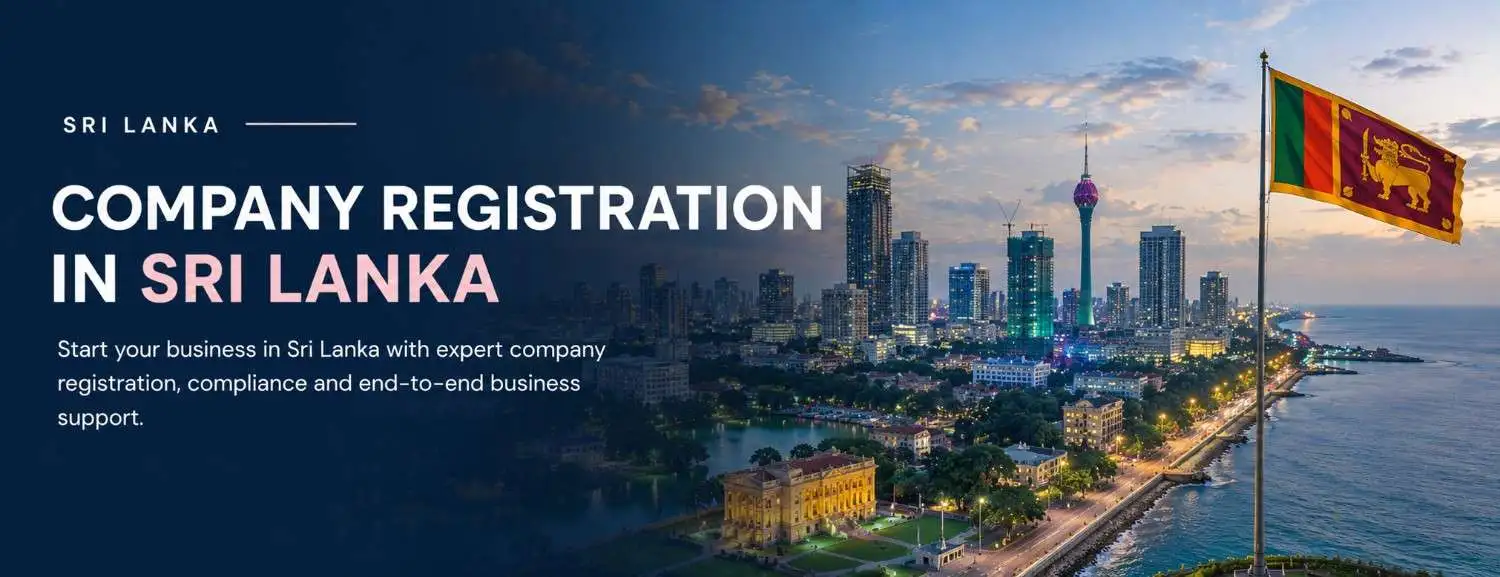
How to Set Up a Company in Sri Lanka
Sri Lanka can be considered by entrepreneurs looking to establish a presence in South Asia, serve local customers or develop regional trading and service operations. Before investing in premises, hiring staff or entering commercial agreements, it is important to understand the country's business registration process and the legal structure that suits your plans.
The first decision is whether to operate as an individual business, form a partnership or establish a limited liability company. Each option has different implications for ownership, personal liability, documentation and ongoing administration.
For entrepreneurs planning business registration in sri lanka, the relevant registration authority depends on the chosen structure. Companies are registered through the Department of the Registrar of Companies, while individual businesses and partnerships generally follow the applicable provincial business-name registration process.
Understanding this distinction early can help avoid choosing an unsuitable registration route or preparing the wrong documents.
Choose the Right Business Structure
1. Private Limited Company
A private limited company is a common option for entrepreneurs who want to operate through a separate legal entity. It may be suitable for consulting firms, trading businesses, technology companies, manufacturers and businesses planning to build long-term commercial relationships.
A company generally has its own legal identity, and shareholders' liability is limited according to the applicable company structure and law. It also involves formal governance, statutory records and filing responsibilities.
For international entrepreneurs, pvt ltd company registration sri lanka may be worth considering where the business needs a corporate structure for contracts, employees, investment or expansion. Ownership, director arrangements and any sector-specific restrictions should be reviewed before incorporation.
2. Sole Proprietorship or Individual Business
An individual business may suit an entrepreneur operating a smaller venture under their own ownership. Registration of a business name does not create the same separate legal identity as a limited company, and the owner may remain personally responsible for business liabilities.
The process for individual business registration sri lanka depends on the province and the relevant local registration authority. Applicants should confirm the current application form, supporting documents and procedural requirements with the office responsible for the business location.
3. Partnership
A partnership may be appropriate when two or more people intend to conduct business together. The partners should clarify their respective contributions, responsibilities, profit-sharing arrangements and decision-making authority.
A written partnership agreement can help prevent misunderstandings. The registration procedure and legal obligations depend on the applicable rules and the nature of the business.
Steps to Register a Company in Sri Lanka
The following steps outline the general process for incorporating a private company through the Department of the Registrar of Companies.
1. Decide on the company structure
Identify the proposed business activities, shareholders, directors and ownership percentages. Consider whether the company will operate locally, serve overseas customers or form part of an existing international group.
2. Select and reserve a company name
Check the proposed name through the official company-registration system. The name must comply with the applicable rules and should not be identical or confusingly similar to an existing registered name. Approval remains subject to the Registrar's review.
3. Prepare the incorporation documents
Prepare the required company information and constitutional documents. Depending on the current filing requirements, the application involves company registration details, director and secretary consents, and Articles of Association. The precise forms and requirements should be confirmed through the official system before submission.
4. Appoint directors and a company secretary
Identify eligible directors and appoint a company secretary in accordance with Sri Lankan law. Obtain the required consents and ensure the proposed appointments and company particulars are accurately recorded.
5. Submit the application through e-ROC
The Department of the Registrar of Companies operates e-ROC, its electronic company-registration platform. The applicant or authorised representative completes the relevant information, uploads the required documents and pays the prescribed fees through the applicable process. This is the main route for online business registration in sri lanka when incorporating a company.
6. Complete beneficial ownership requirements
Sri Lanka introduced mandatory beneficial ownership submissions for new company incorporations effective 30 March 2026. Companies must review the applicable requirements and submit the required information through the designated official system after incorporation and payment of incorporation fees. This step should be included in the registration checklist rather than treated as an optional administrative task.
7. Receive the incorporation certificate
Once the application and required formalities have been completed and accepted, the Registrar issues the Certificate of Incorporation. Keep the certificate and related company documents securely, as they may be needed for banking, contracts, tax administration and future compliance.
Registering an Individual Business Name
The route for an individual business differs from company incorporation. A business-name application may be handled by the relevant provincial authority or Divisional Secretariat, depending on the location and applicable rules.
Applicants should check which office has jurisdiction before submitting an application. Requirements can differ between provinces, so a form or checklist used in one province should not automatically be assumed to apply nationwide.
Depending on the applicable procedure, documents may include:
• Completed business-name registration application.
• Owner identification, such as a national identity card or valid passport where accepted.
• Evidence relating to the business premises, such as a deed, lease or tenancy document.
• Local administrative certification or supporting documents required by the relevant authority.
• Details of the business activity and proposed business name.
For company registration in srilanka, the national company-registration process should not be confused with the registration of an individual business name. Confirm the correct procedure before preparing documents or making payments.
What to Do After Registration
Registration establishes the legal or administrative foundation for operating a business, but additional obligations may apply before and after commercial activities begin.
• Tax registration: Determine the company's tax registration requirements and obtain a Taxpayer Identification Number where applicable. VAT and other tax registrations depend on the relevant legal requirements and business circumstances.
• Banking arrangements: Prepare the incorporation documents, ownership information and identification required by the chosen bank. Account approval is subject to the bank's due diligence and internal policies.
• Accounting and records: Maintain appropriate accounting records and supporting documentation for transactions, expenses, income and statutory reporting.
• Annual filings: Track annual returns, company record updates and other filing deadlines applicable to the entity.
• Sector-specific approvals: Certain regulated activities may require licences, permits or approvals from the relevant authorities.
• Employment obligations: If the business hires employees, review the applicable employment, payroll and social security requirements.
The sri lanka business registry process is only one part of establishing a compliant operation. Businesses should also consider how contracts, tax treatment, staffing and cross-border transactions affect their ongoing responsibilities.
Considerations for Foreign Entrepreneurs
Foreign founders should assess ownership eligibility, permitted business activities, investment arrangements and any sector-specific restrictions before committing funds. Requirements can differ according to the proposed activity and the way the investment is structured.
Entrepreneurs investing from India or another country should also consider documentation for international fund transfers, local banking requirements and tax implications in their home jurisdiction. A local company does not automatically remove reporting or tax obligations that may arise elsewhere.
How YKG Global Helps You
YKG Global supports entrepreneurs and businesses planning international expansion by helping them understand company formation requirements, coordinate documentation and identify ongoing compliance considerations.
Our support may include:
• Guidance on choosing an appropriate business structure for the proposed activity.
• Assistance in understanding the company incorporation process and registration documentation.
• Coordination support for beneficial ownership, statutory records and post-registration formalities.
• Guidance on tax registration, accounting and recurring compliance requirements.
• Cross-border advisory for businesses connecting Sri Lanka with India or other international markets.
If you plan to register a business in sri lanka, the right preparation can help you approach registration with a clearer understanding of the applicable process and responsibilities.
Call us or fill out our contact form to schedule a consultation today.
📧 Email: Rishi@ykgglobal.com
🌐 Website: www.ykgglobal.com
📱 Call/WhatsApp: +91 76782 77665
📍 Offices: Delhi | Mumbai | Dubai | Singapore