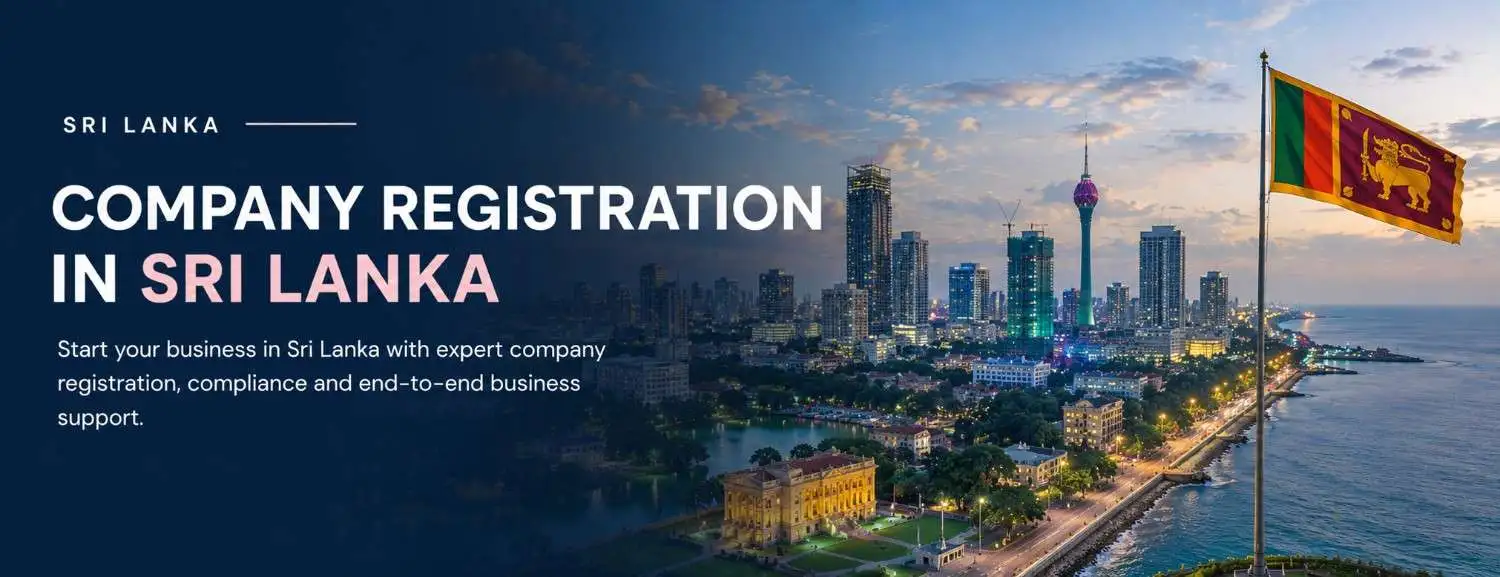
Register Company in Sri Lanka
Sri Lanka offers opportunities for entrepreneurs, international investors and businesses looking to establish a presence in South Asia. Its location along important Indian Ocean trade routes makes it relevant for businesses involved in trading, logistics, manufacturing, tourism, technology and professional services.
For foreign investors and local entrepreneurs, company registration in sri lanka is an important step towards establishing a legally recognised business. Before starting the process, founders should understand the available business structures, documentation requirements, ownership considerations and ongoing compliance obligations.
YKG Global assists entrepreneurs and international businesses with company incorporation coordination, documentation, regulatory compliance planning and cross-border advisory to support their entry into the Sri Lankan market.
Why Establish a Business in Sri Lanka?
Sri Lanka may be suitable for businesses seeking regional commercial opportunities, access to local customers and connections with international markets.
Key considerations include:
• Strategic location: Sri Lanka's position in the Indian Ocean supports trade and logistics activities connecting regional and international markets.
• Diverse business opportunities: Potential sectors include tourism, technology, manufacturing, trading, logistics and professional services.
• Regional business connections: Businesses can explore commercial relationships with India and other Asian markets.
• Investment opportunities: Eligible foreign investors may explore opportunities under Sri Lanka's applicable investment laws and sector-specific requirements.
• Business expansion: An appropriately structured Sri Lankan entity may support local operations, commercial partnerships and regional growth.
The suitability of Sri Lanka depends on the proposed activities, ownership structure, regulatory environment and long-term business objectives.
Choosing the Right Business Structure
Before proceeding with business registration in sri lanka, entrepreneurs should evaluate the structure that best matches their operational and ownership requirements.
1. Private Limited Company
A private limited company is a common option for businesses seeking a separate legal entity. It can be suitable for trading companies, consulting firms, technology businesses and enterprises planning to employ staff or enter into commercial contracts.
The company must satisfy applicable requirements relating to directors, shareholders, company secretarial arrangements and statutory filings.
2. Public Limited Company
A public company may be appropriate for larger businesses with broader capital-raising objectives. It is subject to additional legal and regulatory requirements compared with a private company.
3. Sole Proprietorship or Partnership
A sole proprietorship may suit an individual operating a business independently, while a partnership may suit two or more people conducting business together. These structures differ from incorporated companies in terms of legal identity, liability and registration procedures.
Foreign investors should assess ownership restrictions and sector-specific rules before selecting a structure.
Steps for Company Registration in Sri Lanka
The process of company registration in srilanka involves several stages, from selecting the company name to completing post-incorporation requirements.
Step 1: Choose and Check the Company Name
Select a proposed company name and check its availability through the relevant Sri Lankan registration authority.
The name must comply with applicable naming requirements and should not conflict with prohibited or restricted names. Approval of a company name does not automatically provide trademark protection.
Step 2: Determine the Ownership Structure
Identify the proposed shareholders, directors and shareholding percentages. Consider how management responsibilities, decision-making rights and ownership will be arranged.
Foreign ownership may be permitted in many sectors, but restrictions and additional conditions can apply to particular activities. These should be reviewed before submitting the application.
Step 3: Prepare the Incorporation Documents
The documents and particulars required depend on the company structure and applicable regulations.
Common requirements may include:
• Proposed company name and registered office details.
• Information about directors and shareholders.
• Details of the company secretary.
• Articles of Association.
• Prescribed incorporation forms and declarations.
• Identification and supporting documents where required.
The exact filing requirements should be confirmed before submission to avoid delays caused by incomplete information.
Step 4: Submit the Application
Applications for company incorporation are handled through Sri Lanka's Department of the Registrar of Companies and its applicable registration procedures.
The prescribed forms and supporting documents must be submitted in accordance with the authority's requirements. Registration is completed once the application has been accepted and the relevant incorporation documentation has been issued.
Step 5: Complete Business Registration Requirements
Depending on the business and its activities, additional registrations may be necessary after incorporation.
These can include tax registration, applicable local authority licences, sector-specific approvals and employer-related registrations. A company should determine which requirements apply before beginning operations.
Step 6: Establish Ongoing Compliance Procedures
After incorporation, businesses should establish systems for accounting, record keeping, statutory filings and tax reporting.
Companies should also maintain accurate ownership and management records and update the relevant authorities when changes occur, where required.
Documents and Information to Prepare
Before starting business registration srilanka, entrepreneurs should organise the information needed for the application.
Common preparation items include:
• Proposed company name and business activities.
• Passport or accepted identification details for relevant individuals.
• Residential addresses of directors and shareholders.
• Proposed ownership percentages and share capital.
• Registered office information.
• Company secretary details.
• Articles of Association and prescribed incorporation forms.
• Additional documentation required for foreign ownership or regulated activities.
Requirements can differ depending on the company's structure, ownership and intended business operations. Applicants should confirm the current requirements with the relevant authority or qualified adviser.
Understanding Sri Lanka's Compliance Requirements
Incorporation is only the first stage of operating a business. Understanding the register of company sri lanka framework and the responsibilities of an incorporated entity helps founders plan for ongoing administration.
Corporate Filings and Records
Companies must maintain the prescribed corporate records and complete applicable annual returns and other statutory filings. Changes in company particulars may also need to be reported within the relevant deadlines.
Tax Registration and Reporting
Businesses should assess their tax registration and reporting obligations with the relevant Sri Lankan authorities. Applicable taxes depend on the entity, income, activities and prevailing legislation.
Business Licences and Approvals
Some activities require additional licences or sector-specific authorisations. Businesses should identify these requirements before commencing regulated operations.
Foreign Investment Considerations
International investors should review applicable foreign investment rules, sector restrictions, capital arrangements and any relevant exchange-control requirements before transferring funds or beginning operations.
Consulting an appropriate professional can help businesses identify obligations that apply to their particular circumstances.
How YKG Global Helps You
YKG Global supports entrepreneurs, investors and international businesses planning to establish or expand operations in Sri Lanka.
Our assistance may include:
• Company incorporation support: Guidance on the incorporation process and appropriate business structures.
• Documentation coordination: Assistance with organising the information and documents needed for registration.
• Registration guidance: Support in understanding the requirements of the relevant sri lanka business registry and associated authorities.
• Compliance planning: Guidance on statutory records, annual filings and recurring corporate responsibilities.
• Accounting and tax advisory: Assistance in understanding applicable accounting, tax registration and reporting requirements.
• Cross-border advisory: Support for Indian entrepreneurs and international businesses evaluating Sri Lanka as part of their expansion strategy.
Our approach focuses on helping clients understand the incorporation process, prepare for regulatory requirements and plan for ongoing compliance. Registration, licences and other approvals remain subject to the decisions and requirements of the relevant authorities.