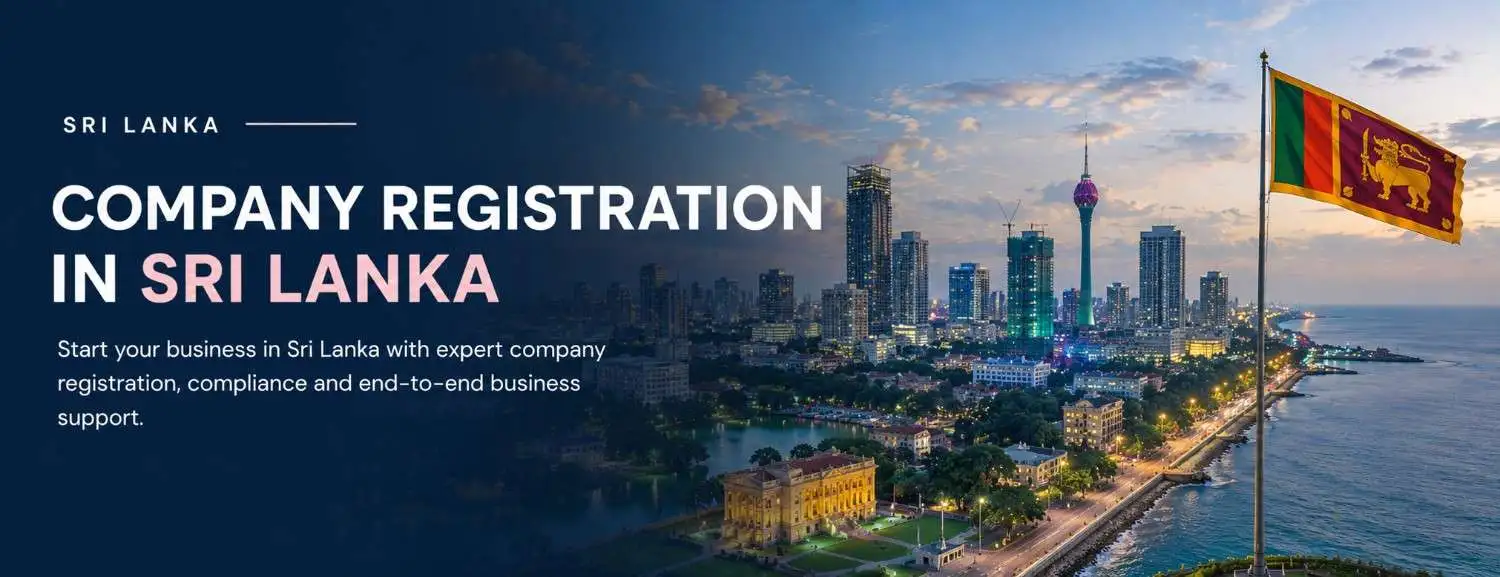
Start Your Business in Sri Lanka
Sri Lanka offers opportunities for international entrepreneurs and established businesses across sectors such as tourism, logistics, manufacturing, trading, technology and professional services. Its location in the Indian Ocean also makes it relevant for companies exploring regional trade and international supply chains.
For overseas investors, establishing a business requires more than submitting incorporation documents. The appropriate legal structure, shareholder arrangements, company secretary, registered office, tax registrations and ongoing reporting obligations all need consideration.
YKG Global supports businesses planning Sri Lanka company registration, helping entrepreneurs understand the incorporation process and prepare for the responsibilities that follow registration.
Whether you are establishing a new venture or expanding an existing business into Sri Lanka, the first step is to determine the structure that best fits your activities and ownership plans.
Choosing the Right Company Structure
A private company limited by shares is a common option for entrepreneurs establishing a commercial business in Sri Lanka. It creates a separate legal entity, and shareholder liability is generally limited to the amount unpaid on their shares, subject to applicable law.
Other structures may be appropriate depending on the business model:
• Private limited company: Often suitable for privately owned businesses, subsidiaries and international ventures.
• Public company: May suit larger businesses with different ownership or capital-raising objectives and additional legal requirements.
• Branch of a foreign company: An overseas business may consider registering a branch when it intends to conduct business through an established foreign entity.
• Sole proprietorship or partnership: These may suit certain smaller businesses, subject to the applicable registration process and eligibility requirements.
The appropriate structure depends on the founders' objectives, ownership arrangements, liability considerations and intended operations. Foreign investors should also review sector-specific rules and any applicable investment approvals before choosing a structure.
Step-by-Step Process for Sri Lanka Company Registration
Step 1: Choose and Check the Company Name
Begin by selecting a proposed company name and checking its availability through the Department of the Registrar of Companies (DRC).
The name must comply with applicable naming rules and should not conflict with existing registered entities or restricted expressions.
Entrepreneurs should also consider trademark availability and domain names separately. Approval of a company name does not automatically establish trademark protection.
Step 2: Decide the Ownership and Management Structure
Before applying, determine who will own the company and who will manage it.
The incorporation process generally requires details of shareholders, directors and the company secretary. Where a foreign company or overseas individual is involved, additional identity or corporate documentation may be necessary.
For a private limited company in Sri Lanka, the founders should clarify:
• Shareholder identities and shareholding percentages.
• Proposed directors and their required consents.
• The company secretary arrangements.
• The registered office address.
• The company's intended business activities.
Foreign ownership and investment conditions can vary according to the industry and applicable law. Confirm the relevant requirements before finalising the proposed structure.
Step 3: Prepare the Incorporation Documents
The documents required depend on the company type and the circumstances of the application.
For a typical private company, the process includes preparing the Articles of Association, the incorporation application and the required director and secretary consent information.
The Registrar's electronic system generates the relevant forms and guides applicants through the registration process. Information should be consistent across the application, identification documents and supporting records.
Where an overseas corporate shareholder is involved, additional documents may be required to verify its legal status and authority to participate in the Sri Lankan company.
Step 4: Submit the Application Through e-ROC
The Department of the Registrar of Companies operates the e-ROC platform for electronic company registration services.
The general process involves:
• Completing the name approval process.
• Preparing the required company information and incorporation documents.
• Submitting the application through the relevant electronic workflow.
• Paying the applicable registration fees.
• Responding to any request for clarification or additional documentation.
Once the application is accepted and registration is completed, the company receives its incorporation documentation.
The process for online company registration in Sri Lanka depends on the completeness of the application, the selected company structure and any additional review required by the Registrar.
Step 5: Submit Beneficial Ownership Information
An important requirement for new incorporations is the beneficial ownership submission introduced by the Department of the Registrar of Companies.
Effective 30 March 2026, the DRC announced that, after incorporation and payment of the incorporation fees, companies using e-ROC must submit the required beneficial ownership and authorised-person details through the dedicated beneficial ownership portal.
The announced process requires Forms BO1 and BO5. Failure to complete the required submission may result in the incorporation being resubmitted.
Businesses should therefore treat beneficial ownership reporting as an essential part of the incorporation workflow, rather than assuming that receiving the initial registration documents completes every requirement.
Step 6: Obtain Tax Registration
After incorporation, the company should assess its tax-registration requirements with Sri Lanka's Inland Revenue Department (IRD).
The company may need to obtain a Taxpayer Identification Number (TIN) and register for relevant tax types based on its activities and legal obligations.
Depending on the business, these may include:
• Corporate income tax registration and filing obligations.
• Value Added Tax (VAT), where applicable.
• Employer-related tax obligations, where relevant.
• Other tax registrations required by the company's activities.
A company should not assume that incorporation automatically completes all tax registrations. The appropriate requirements depend on its circumstances and the rules in force.
Step 7: Arrange Banking and Operational Requirements
Once registration is completed, the company can prepare to commence operations.
Practical arrangements may include opening a corporate bank account, setting up accounting procedures, maintaining statutory records and reviewing any licences required for the intended business activities.
Banks apply their own due diligence and may request information about shareholders, directors, beneficial owners, source of funds and the nature of the business. Incorporation does not guarantee banking approval.
Companies involved in imports, exports or regulated activities should separately assess the applicable registrations and permissions.
Company registration is the beginning of a continuing compliance process. Businesses must maintain appropriate corporate records and meet applicable annual filing requirements, including filing changes to relevant company particulars when required.
They must also assess their accounting, tax-return and financial reporting obligations. Additional requirements may apply depending on the company's size, activities, ownership and regulatory status.
For foreign-owned companies, cross-border transactions, intercompany arrangements and the tax treatment of international income should be reviewed as part of the wider operating structure.
A compliance calendar can help businesses track important filing dates, statutory updates and tax responsibilities.
How YKG Global Helps You
YKG Global assists international entrepreneurs and established businesses planning to establish a presence in Sri Lanka. Our support can include company-structure planning, incorporation documentation coordination, guidance on beneficial ownership requirements and identification of relevant tax and ongoing compliance obligations.
For Indian businesses expanding into Sri Lanka, we can also help identify cross-border corporate and tax considerations that should be reviewed before operations begin.
Our approach focuses on helping clients understand the process and prepare for the responsibilities associated with operating a Sri Lankan company. Requirements depend on the proposed structure, activities and applicable regulations.
Call us or fill out our contact form to schedule a consultation today.
📧 Email: Rishi@ykgglobal.com
🌐 Website: www.ykgglobal.com
📱 Call/WhatsApp: +91 76782 77665
📍 Offices: Delhi | Mumbai | Dubai | Singapore